What Is a Crypto Rug Pull? 7 Warning Signs for Beginners
A crypto rug pull is one of the most common scams in crypto, and it is easy to understand once you know how it works. The people behind a new token collect money from buyers, then take it and disappear, leaving everyone else holding a token nobody wants. The name comes from pulling the rug out from under your feet. Here are seven facts that explain how rug pulls work and how to protect yourself.
1. What Is a Crypto Rug Pull, Exactly?
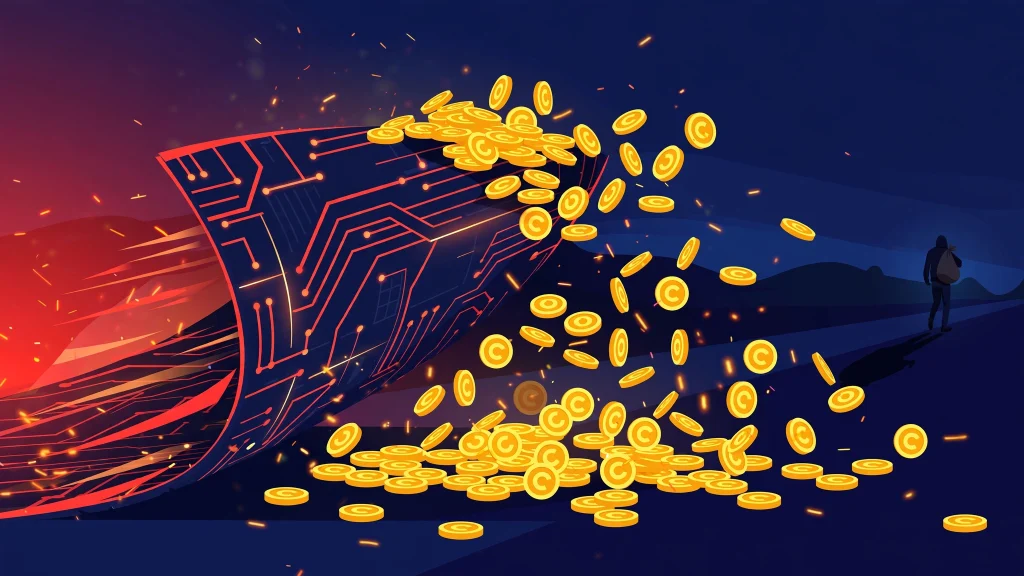
A rug pull is a type of exit scam. A team launches a new token, builds excitement on social media, and invites people to buy in. Then, at a moment of their choosing, they remove the value and vanish. The token’s price collapses, often to near zero, within minutes.
It is not a hack: nobody breaks in from the outside. The people in control simply use the control they already have. That is why the money almost never comes back — no company to sue, no bank to reverse the payment, no way to undo a blockchain transaction.
Rug pulls exploded in the 2021 crypto boom: Chainalysis estimated they took more than $2.8 billion from victims that year. The pattern continues today, especially around new memecoins, where anyone can launch a token in minutes.
2. The Classic Move: Draining the Liquidity Pool
Most new tokens trade on a decentralised exchange against a pool of funds called a liquidity pool. The team puts their new token into the pool with a well-known cryptocurrency, such as ETH or a stablecoin, so people can buy and sell.
Whoever funded the pool holds LP tokens — a receipt for the funds inside it. In a liquidity rug, the team redeems those LP tokens and takes both sides of the pool back out. The pool is suddenly empty, nobody can sell, and the price crashes to almost nothing.
3. The Honeypot: A Token You Can Buy but Never Sell
A honeypot is a nastier trick, hidden inside the token’s own code. The smart contract is written so buying works normally but selling does not — at least not for ordinary holders. The chart looks wonderful as the token climbs, but when anyone tries to sell, the transaction fails.
The creators, of course, can sell. They quietly cash out at the top while everyone else watches a price they can never collect. That is why a fast-rising chart means nothing on its own: a token that only goes up, with almost no selling, is a reason to be suspicious, not excited.
4. The Insider Dump and the Slow Rug
Not every rug pull is sudden. In an insider dump, team wallets hold a large share of the supply and sell aggressively into the first wave of buyers. The price falls as the team exits, and by the time most buyers realise what is happening, the insiders are gone.
A slow rug is quieter: updates slow down, the chat group goes quiet, and the team’s wallets drain a little at a time over weeks or months until the project is a ghost. Both versions share the same root cause: a small group held too much control, and nobody checked.
5. Real Examples: SQUID, AnubisDAO, and Frosties
Real cases make the pattern clear. The SQUID token of 2021 borrowed the theme of the Netflix show Squid Game, despite having no connection to it. It launched at around one cent and soared as hype spread, but buyers discovered they could not sell — a textbook honeypot.
AnubisDAO raised more than 13,000 ether in October 2021, and about twenty hours into the sale the ether moved to a different wallet. The project never delivered anything. In the NFT world, the creators of the Frosties collection vanished with buyers’ money in early 2022, and US prosecutors charged them in March 2022. Rug pulls hit tokens and NFTs alike.
6. The 7 Warning Signs of a Crypto Rug Pull
No single check proves a token is safe, but these seven signs, taken together, catch most rug pulls:
- Anonymous team. Nobody uses a real name, and no one has a verifiable work history.
- Unlocked liquidity. The pool tokens are not time-locked, so the team can withdraw the pool at any moment.
- Huge insider holdings. A few wallets hold most of the supply and can crash the price by selling.
- No real audit. The contract was never reviewed by an independent firm, or the “audit” link leads nowhere.
- No working product. Only a website and a whitepaper — no app, no users, no code to inspect.
- Guaranteed returns and pressure. The marketing promises profits and urges you to buy before it is too late.
- Copy-paste code and fake hype. The contract is copied, the followers look bought, and bots repeat the same phrases.
If a project shows two or three of these signs, walk away — a cluster of red flags is the pattern of a scam.
7. How to Protect Yourself Before You Buy
Protection starts before you spend anything. First, check the liquidity lock on a block explorer such as Etherscan: locked liquidity means the LP tokens sit in a time-lock contract, or were sent to an address nobody controls. Second, look at the top holders — if a handful of wallets own most of the supply, the risk is high. Third, check whether a reputable firm audited the contract; one that lets the owner mint unlimited tokens or block sales is a deal-breaker.
Then, slow down. Our guide on how to research an altcoin walks through seven checks that apply to every token, including new ones. Our guide on crypto token unlocks explains another way insiders can sell large amounts into the market. Finally, never invest money you cannot afford to lose, and never trust a project just because influencers promote it.
The Bottom Line
A crypto rug pull is a planned exit scam: the team builds hype, collects buyers’ money, and drains the value before disappearing. The mechanics vary — a drained pool, a honeypot contract, an insider dump, or a slow fade — but the defence is the same: check the liquidity lock, the token distribution, and the audit before you buy.
If this guide helped you understand crypto rug pulls, share it with a friend who is thinking about buying a brand-new token.
Disclaimer: This article is for educational purposes only and is not financial advice. Cryptocurrency prices are volatile. Always do your own research before buying any crypto asset.