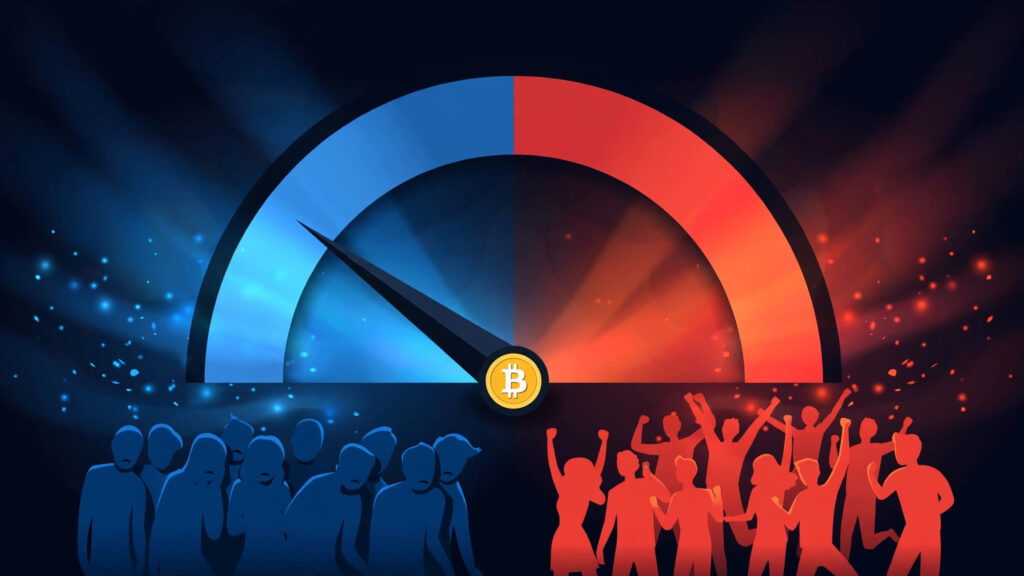
What Is the Crypto Fear and Greed Index? 7 Ways to Read Market Fear Without Panicking
Crypto prices can swing hard in a single day, and when they do, the loudest voices online are usually either terrified or euphoric. The crypto fear and greed index was built to measure that mood. It turns the feelings of the whole market into one simple number, so a beginner can see at a glance whether people are acting out of fear or out of greed. This guide explains what the number means and shares seven practical ways to read it without panicking.
1. What the Crypto Fear and Greed Index Actually Measures
The crypto fear and greed index tracks the mood of the crypto market on a scale from 0 to 100. A low score means fear is running the market, and a high score means greed is in charge. It does not measure the price of any single coin. Instead, it combines several signals that show how traders are behaving: how sharply prices are moving, how much trading is happening, what people are saying on social media, whether surveys show optimism, how Bitcoin is performing against the rest of the market, and what search trends look like. Together, these signals give one snapshot of sentiment.
2. How the 0–100 Score Works
The scale is split into five zones. A score from 0 to 24 means extreme fear, 25 to 44 means fear, 45 to 55 is roughly neutral, 56 to 74 means greed, and 75 to 100 means extreme greed. The index updates every day, and some versions update several times a day. A single day’s score is just a snapshot. What matters more is the pattern over a week or two: is fear deepening, is greed building, or is the market slowly calming down? One number on one day tells you very little on its own.
3. Extreme Fear Does Not Mean “Buy Now”
When the index shows extreme fear, prices have usually fallen a lot, and many people are selling in a hurry. Some experienced investors treat that as a time to look for value, because fear can push prices below what an asset might be worth over the long term. But extreme fear is not a buy signal by itself. Prices can keep falling after the index hits its lowest point, and a coin that looks cheap can still lose more value. If you are a beginner, use extreme fear as a prompt to slow down and review your plan, not as a reason to rush in with money you cannot afford to lose. Check the basics first: do you understand the coin, and does buying it fit the plan you made when you were calm? If you are unsure about a term you meet while researching, our crypto glossary explains the common words in plain language.
4. Extreme Greed Does Not Mean “Sell Everything”
Extreme greed usually appears after a strong rally, when prices are rising fast and everyone seems to be buying. Headlines turn celebratory, friends start asking how to buy in, and it feels like the good times will never end. That mood is exactly when mistakes are most common: people buy at the top, borrow money to trade, or put in more than they planned. Extreme greed is not a sell signal by itself either. Markets can stay greedy for weeks while prices keep climbing. Use it the same way you use fear: as a prompt to pause. Ask whether your plan still makes sense, whether you are taking more risk than you intended, and whether you would be comfortable if prices fell sharply tomorrow. A calm review beats a rushed decision in either direction.
5. Use It as a Mood Check, Not a Price Prediction
The most common beginner mistake is treating the index like a forecast. It is not. The index describes how people feel right now; it cannot tell you what the price of Bitcoin will be next week. Mood and price often move together, but mood can change in hours while a long-term trend takes months to play out. Write the score down once a week with a short note about what you did. Over a month or two, you will see your own pattern — and that teaches you more than any single reading.
6. Compare It With Your Own Plan, Not With Social Media
Social media makes every market mood louder. During fear, your feed fills with warnings that crypto is finished. During greed, it fills with people claiming they doubled their money overnight. Neither extreme is a reliable guide. The index is more useful when you compare it with a plan you wrote for yourself in advance: how much you are willing to invest, how long you plan to hold, and what would make you change your mind. If the index says extreme fear but your plan says you are investing a small fixed amount each month, then nothing needs to change. The plan is your anchor; the index is just weather information.
7. Check It Weekly, Not Every Hour
Checking the index every hour turns a helpful tool into a source of stress. Scores move during the day, and each small move can feel like an emergency when you are watching closely. A weekly check is enough for most beginners. Pick one day, look at the score, read one short summary of the week’s market news, and then close the tab. If it stays in extreme fear or extreme greed for several weeks, review your plan. If it is near the middle, there is usually nothing urgent to do. The goal is to stay informed without letting the market’s mood become your mood.
The crypto fear and greed index is a simple way to see whether the market is acting out of fear or greed. It works best as a weekly mood check that helps you pause, review your plan, and avoid rushed decisions. It works worst as a daily alarm that pushes you to buy or sell on impulse. Learn the zones, watch the pattern over time, and let your own plan — not the crowd’s feelings — decide what you do next.
If this helped, share this with a friend who is new to crypto — it might save them from a panic decision too.
Disclaimer: This article is for educational purposes only and is not financial advice. Cryptocurrency prices are volatile. Always do your own research before buying any crypto asset.